
Exposure Therapy for Anxiety (ERP)
West Chester Ohio + Online Statewide

What Is Exposure & Response Prevention (ERP)?
Exposure & Response Prevention (ERP) for Anxiety
Learn to Feel Safe Again—Without Avoiding Your Life
What if the way out of anxiety isn’t avoiding what feels uncomfortable…
but learning how to move through it differently?
If you struggle with anxiety, there’s a good chance you’ve started organizing your life around it—often without even realizing it.
Avoiding certain situations.
Over-preparing.
Reassuring yourself.
Trying to feel “ready” before you take action.
And while these strategies make sense, they can actually keep anxiety going.
Exposure & Response Prevention (ERP) is a highly effective, evidence-based approach for treating anxiety.
At its core, ERP helps your brain and nervous system learn something new:
That you can experience discomfort—and still be okay.
Instead of avoiding anxiety or trying to eliminate it, we gently practice:
Facing situations that bring up anxiety (at a manageable pace)
Reducing the habits that keep anxiety stuck (like avoidance or reassurance)
Allowing your nervous system to learn that you are safe
Over time, this creates real, lasting change.

Why Avoidance Keeps Anxiety Going
Anxiety naturally pushes you to seek relief and certainty.
So you might:
Avoid situations that feel overwhelming
Overthink or mentally prepare
Seek reassurance
Stick to rigid routines
And in the moment, this works—you feel a sense of relief.
But your brain learns:
“I needed that behavior to stay safe.”
So the anxiety returns… often stronger. ERP helps gently interrupt this cycle.
A More Supportive Approach to Exposure
If you’ve heard of exposure therapy before, it may sound intimidating. But in our work together, it’s not about forcing or overwhelming yourself. It’s about building trust with your nervous system.
We take a gradual, collaborative approach:
Starting with small, manageable steps
Integrating exposures into your real, daily life
Moving at a pace that feels challenging—but supportive
Focusing on consistency, not perfection
This might look like:
Letting a thought be there without trying to “solve” it
Taking action before you feel fully ready
Staying in a situation just a little longer than usual
Loosening a routine that feels rigid
These small shifts are what create powerful change over time.
ERP helps your brain and nervous system learn that you can experience discomfort—and still be okay.
How ERP Supports Brain Change
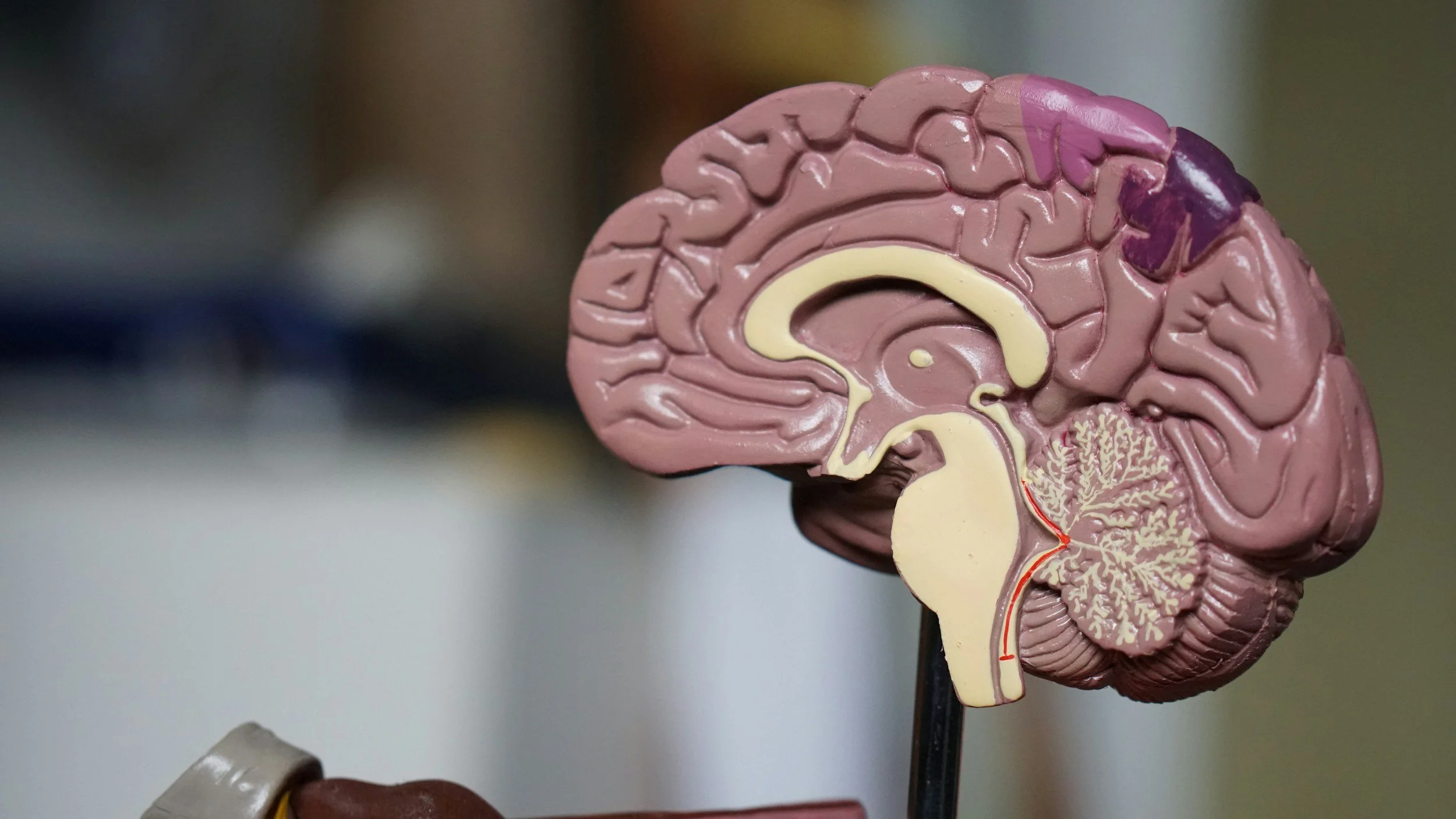
Your brain is constantly learning through experience.
This is called neuroplasticity—your brain’s ability to form new pathways.
When you repeatedly:
Avoid anxiety → your brain learns “this is dangerous”
Face anxiety in a supported way → your brain learns “this is safe”
ERP works by giving your brain new experiences to learn from.
Not just new thoughts—but real, lived experiences.

How ERP Fits Into a Holistic Approach
While ERP is one of the most effective tools for anxiety, it’s not used in isolation.
In our work together, we integrate:
Cognitive Behavioral Therapy (CBT)to support behavior change
Acceptance and Commitment Therapy (ACT) to shift your relationship with thoughts and emotions
Nervous system regulation to support your body through the process
This allows exposure work to feel more grounded, intentional, and sustainable.
With consistent practice, many clients notice:
Less fear around anxious thoughts and sensations
Increased confidence in handling uncertainty
More flexibility in daily routines
Reduced avoidance
A greater sense of freedom in their lives
You’re not waiting to feel “ready” anymore. You trust yourself to handle what comes up.
Anxiety can shrink your world over time. ERP helps you gently expand it again. If you’re ready to begin approaching anxiety in a new way, therapy can help.
In-person sessions are available in West Chester (Cincinnati area), with virtual therapy offered throughout Ohio.